Property
Proposed Rezoning Could Remake Sunnyslope: High-Rises, New Retail in Play
Developers eye sweeping changes for North Central corridor as city considers historic upzone.
3 min read
Property
Developers eye sweeping changes for North Central corridor as city considers historic upzone.
3 min read
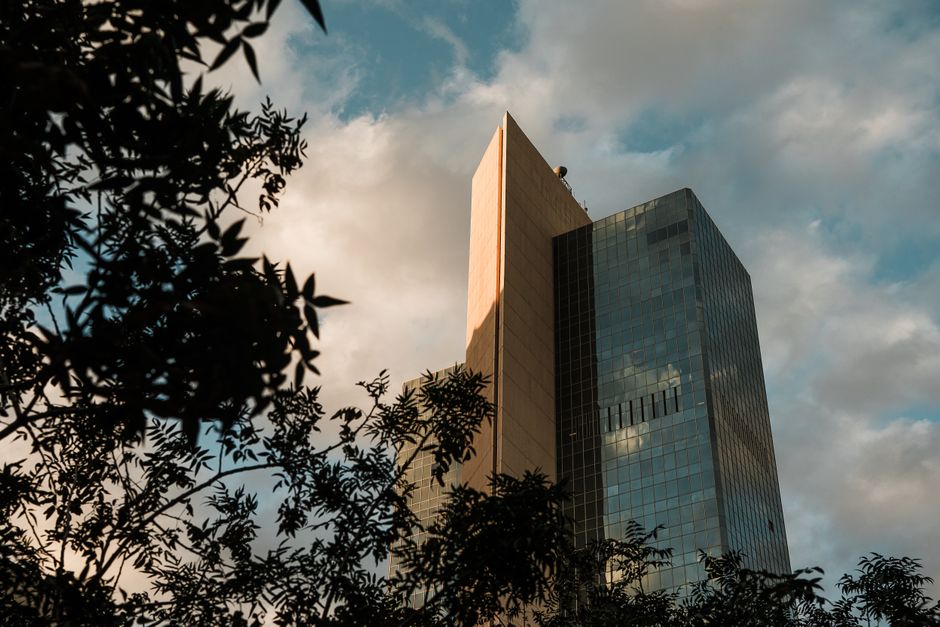
The Phoenix City Council is weighing a rezoning plan that could redraw the map for Sunnyslope, opening the door to high-rise apartments and revamped retail along North 7th Street. A 258-page city staff report published Thursday lays out a blueprint that would lift building height limits, reduce parking minimums, and allow mixed-use developments between Dunlap and Northern avenues.
The timing is hardly accidental. With median Phoenix home prices hitting $437,000 this spring, and a triple-digit heat wave triggering Fourth of July event cancellations across the region, the city’s population boom is fueling pressure on outlying suburbs such as Sunnyslope. The draft upzoning could deliver up to 2,500 new housing units—including dozens reserved for teachers and essential workers—along a stretch of 7th Street now dominated by single-story strip malls, tire shops, and a handful of aging apartment complexes.
The targeted corridor, stretching from the Sunnyslope High School campus past the bustling intersection at 7th Street and Dunlap Avenue, runs parallel to the popular Murphy Bridle Path and skirts John C. Lincoln Medical Center. According to city documents, the area’s current C-2 zoning caps structures at 30 feet, but the proposal would allow towers of up to 90 feet within a quarter-mile of the new planned Metro Light Rail stop at Hatcher Road. The changes are being championed by the Phoenix Downtown Partnership and local developer Oryx Urban, which recently completed the $72 million Brighter House multifamily project near Central Avenue and Glendale.
Neighbors have been watching for months. More than 110 comments poured in during the city’s 60-day feedback window, with strong opinions on traffic impacts and concerns about rising rents. One local mailing, sent by the Brophy Community Association, warned members of a "dramatic shift" in neighborhood character if the plan goes ahead without stronger tenant protections.
Phoenix’s population climbed to 1.77 million in 2025, up nearly 5% since 2020, according to U.S. Census Bureau estimates. City planners point to a rental vacancy rate of just 4.2% in Sunnyslope—significantly tighter than the metro average. Meanwhile, average rents in the neighborhood passed $1,600 per month this spring, pricing out many hospital workers and teachers from Sunnyslope Elementary School, just blocks north of the proposed rezoning zone. The city’s Housing Phoenix Plan, adopted in 2020, set a goal of adding 50,000 new housing units by 2030; so far, just over 14,500 have broken ground citywide.
The new proposal would require 12% of units in larger projects to be set aside as workforce housing for at least 20 years, though several neighborhood groups have pushed for a higher target. Retailers along 7th, including the longtime family-run Melrose Pharmacy and the recently revamped Restaurant Progress outpost, are watching to see whether rising density brings new customers or higher rents.
With a formal Planning Commission hearing set for July 25 at City Hall, residents have until July 18 to submit written feedback online. If approved, city officials say construction could begin on the first projects as soon as spring 2027. Changes would not affect single-family homes east of Sunnyslope Park, but owners of smaller duplexes and triplexes could see their properties in higher demand. For residents worried about displacement, the city’s Office of Equity and Inclusion has launched a hotline to help tenants with legal advice and referrals. All eyes now turn to City Hall, where council members must weigh growth against the pressures of changing a long-established neighborhood fabric.

Property

Property
Property

Property
About this article
Published by The Daily Phoenix
Spread the word
Daily brief
Free, in your inbox before 7am. Weekdays.
The Daily Network — local news across Australia