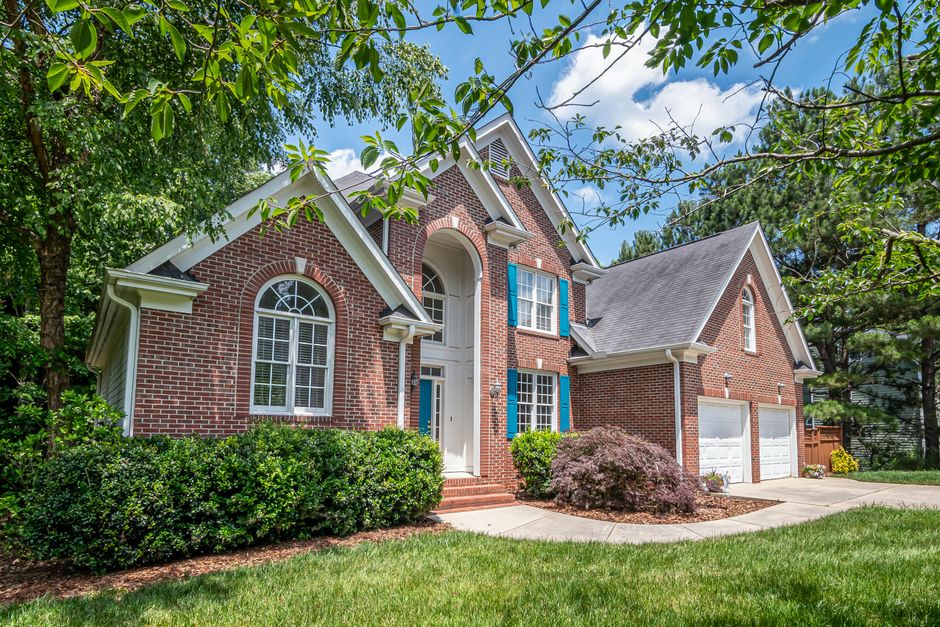
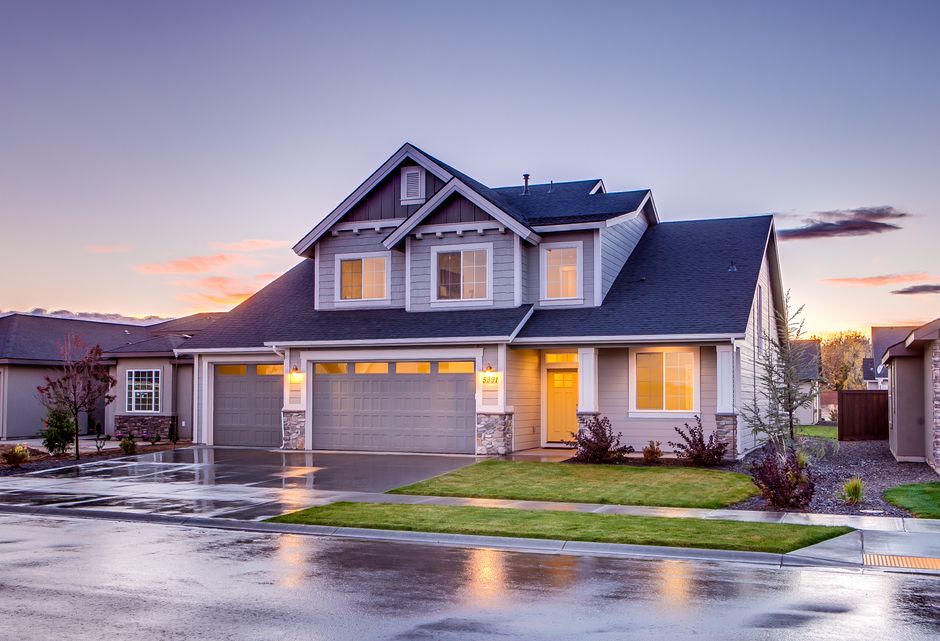
Laveen Village, a sprawling residential corridor tucked between the South Mountain Preserve and the Gila River Indian Community boundary, is posting gross rental yields of approximately 6.8 percent — the highest of any suburb tracked across Greater Phoenix — according to mid-2026 data compiled by the Arizona Regional Multiple Listing Service. The metro-wide average sits closer to 5.1 percent. That gap is not a rounding error. It is the difference between a property that covers its costs and one that generates meaningful monthly cash flow.
The timing matters. Phoenix heads into the second half of 2026 with mortgage rates still hovering around 6.4 percent on a 30-year fixed product, having retreated only modestly from last year's highs. That rate environment has kept a thick layer of would-be buyers renting longer than they planned, particularly in outer suburbs where household incomes are solid but not enough to absorb a $420,000 entry-level price tag without strain. Laveen's median home price sits at roughly $355,000 — well below the Valley median of $438,000 — while average monthly rents for a three-bedroom unit are tracking at approximately $2,010, according to data from Zillow's June 2026 rental index.
Why Laveen, and Why Now
The suburb was largely agricultural land twenty years ago. The shift accelerated after the Laveen Elementary School District expanded capacity in 2019, and the opening of the Cesar Chavez High School feeder system drew young families who could not afford Chandler or Gilbert. The 35th Avenue corridor now hosts a Fry's Marketplace, a Banner Health urgent care clinic, and a steadily growing strip of national retailers anchored near Baseline Road. Infrastracture that investors once complained was missing is mostly there now.
The Maricopa Association of Governments flagged Laveen in its 2025 Regional Transportation Plan as a priority zone for bus rapid transit expansion along the Southern Avenue alignment. That designation has not translated into service yet, but the planning paperwork alone tends to move investor sentiment. Several local property management firms, including HomeRiver Group's Phoenix division and Real Property Management Desert Valley, have reported rising inquiry volumes specifically for Laveen acquisitions in the first two quarters of 2026.
Vacancy rates tell a complementary story. Laveen's rental vacancy rate is sitting at roughly 4.2 percent, compared to 6.7 percent in Peoria and 7.1 percent in Surprise, according to CoStar Group's Phoenix metro report published in May 2026. Tight vacancy puts upward pressure on achievable rents, which is exactly what income-focused investors need when mortgage servicing costs remain elevated. A two-bedroom unit near the intersection of 51st Avenue and Southern Avenue that would have rented for $1,650 in early 2024 is commanding $1,870 to $1,920 today.
What Investors Should Watch Before Buying
Not every block performs equally. Properties west of 67th Avenue toward the Estrella Foothills boundary carry slightly higher price points because of newer construction, which compresses yields back toward the metro average. The sweet spot, based on current listing data, is the cluster of 2005-to-2015-vintage single-family homes east of 51st Avenue and south of Dobbins Road. Those properties tend to be priced in the $330,000-to-$370,000 range with rental income potential that keeps gross yields above 6.5 percent.
Investors considering entry before the end of the third quarter should factor in Maricopa County Assessor revaluations, which take effect January 1, 2027, and are expected to push assessed values in Laveen up between 8 and 12 percent based on the assessor's preliminary notices issued this spring. Higher assessed value means higher property tax bills arriving in the fall of 2027 — a cost that should be modelled into any purchase underwriting now rather than discovered later. Working with a local property manager who knows the tenant pool in the 85339 zip code is not optional; it is the difference between a 96 percent occupied portfolio and one that drags.
The Fourth of July weekend, with record heat cancelling events across the Valley and keeping residents indoors, is an odd moment to be thinking about real estate. But rental markets do not take holidays, and the families signing 12-month leases in Laveen this week will be locked in well before the seasonal slowdown arrives in October.