Property
Phoenix Renters Skip Down Payments, Invest Savings Elsewhere Instead
A growing number of Phoenix renters are staying put and investing their savings elsewhere-and the math might actually favor them in today's market.
4 min read
Property
A growing number of Phoenix renters are staying put and investing their savings elsewhere-and the math might actually favor them in today's market.
4 min read
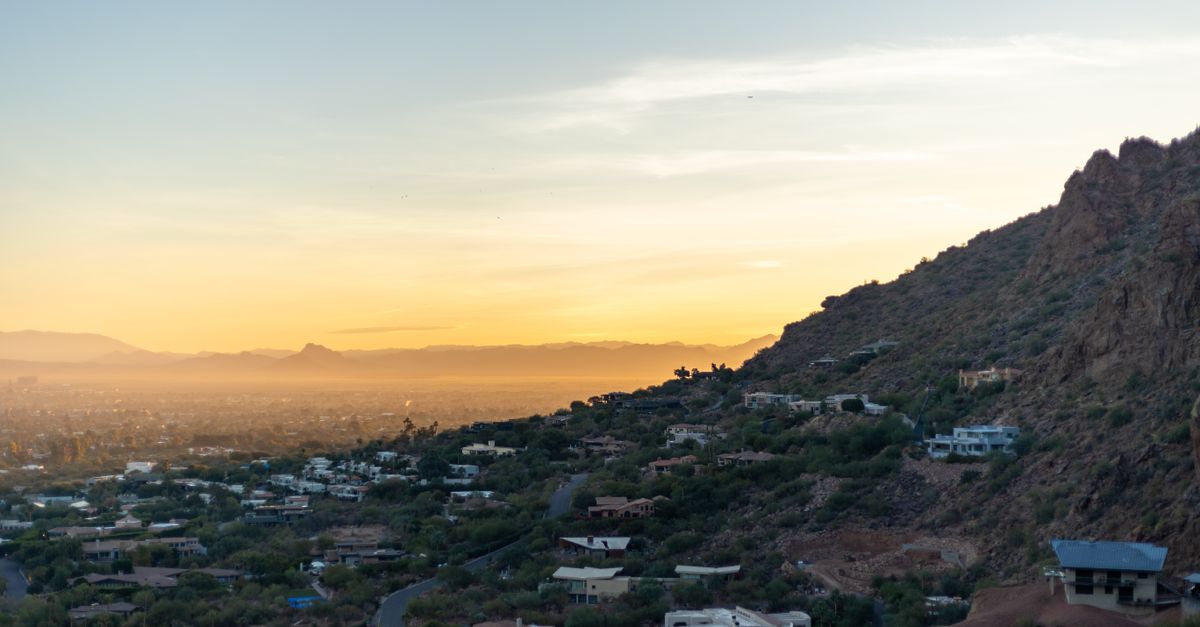
Phoenix's median home price has climbed to $445,000 as of spring 2026, yet rents in established neighborhoods like Arcadia and Camelback Corridor remain flat or declining. That gap has sparked a quiet shift: more renters are choosing to stay renters, pouring what would have been down payment savings into stocks, bonds, or alternative assets. It's a bet that defies the American homeownership gospel-and for the first time in a decade, the numbers are starting to justify it.
The strategy, known as "rent-vesting," hinges on a simple calculation. A renter in a mid-range Phoenix apartment pays $1,600 to $1,800 monthly. A buyer on a $356,000 mortgage (20 percent down on a $445,000 home at 6.8 percent interest) faces roughly $2,400 in mortgage payments alone, plus property tax, insurance, HOA fees, and maintenance reserves. The monthly spread: $600 to $800. Over 30 years, that gap compounds to six figures-money that could sit in a diversified portfolio instead of locked inside a depreciating asset.
Phoenix's unique affordability squeeze makes this calculation sharper than in other Sun Belt markets. Rents haven't kept pace with home prices, meaning renters enjoy unusual leverage. A two-bedroom in South Scottsdale or near Arizona State University's Tempe campus commands $1,700 to $1,900 monthly, while the same neighborhood's starter homes start above $400,000. Ten years ago, that ratio tilted the other way.
Younger professionals working at Phoenix's growing tech corridor-particularly in offices around Central Avenue and the downtown skyline-are most likely to adopt rent-vesting. Companies like Sprout Social (headquartered locally) and tech tenants at The Pinnacle office park in Tempe have drawn talent that can afford to buy but chooses not to. Some renters use co-living spaces like those marketed in Old Town Scottsdale, keeping monthly costs closer to $1,500 while investing the difference.
It's a strategy Phoenix's real estate brokers are only just beginning to acknowledge publicly. The Greater Phoenix Association of Realtors reported in their Q2 2026 survey that 34 percent of respondents aged 25-40 said they "have no current plan to buy a home"-up from 19 percent in 2023. That shift isn't just millennial indecision; it reflects a deliberate economic calculation.
The math assumes discipline. A renter who actually invests the monthly spread-not spends it on travel or dining in Scottsdale's downtown-could accumulate $250,000 to $300,000 over 15 years in a modest index fund earning 7 percent annually. Meanwhile, a Phoenix homebuyer's equity typically grows at 3 to 4 percent annually after accounting for all costs and transaction fees. Only if home prices appreciate sharply does ownership win.
Rent-vesting assumes rents stay stable. Phoenix's rental market has cooled-vacancies in the greater metro area sit at 7.2 percent, the highest in five years-but history suggests that advantage won't last. Once tech talent settles and the region's population growth accelerates again (demographers project 1.3 percent annual growth through 2030), landlords will have leverage. A renter who stays put could face a 5 to 7 percent annual increase within a decade.
There's also the intangible cost of instability. Renting means no guaranteed housing security past a lease renewal, no equity cushion for emergencies, and no tax deductions. For renters with children or those planning to stay in Phoenix beyond 10 years, the psychology of ownership still weighs heavily.
The rent-vesting bet works best for two groups: those who expect to leave Phoenix within seven years (making transaction costs and closing fees irrelevant), and those disciplined enough to actually invest the surplus. For everyone else, the Phoenix market remains a buyer's game-just not as overwhelming one as it appeared in 2019. The gap between rent and ownership is finally narrow enough to make the math contestable.
Property

Property
Property

Property
About this article
Published by The Daily Phoenix
Spread the word
Daily brief
Free, in your inbox before 7am. Weekdays.