Wellness
Yoga Styles Explained: Which One Suits Your Lifestyle
From sweaty Bikram rooms in Midtown to restorative sessions in the East Valley, Phoenix's yoga scene has never been more varied — or more confusing for newcomers.
4 min read
Wellness
From sweaty Bikram rooms in Midtown to restorative sessions in the East Valley, Phoenix's yoga scene has never been more varied — or more confusing for newcomers.
4 min read
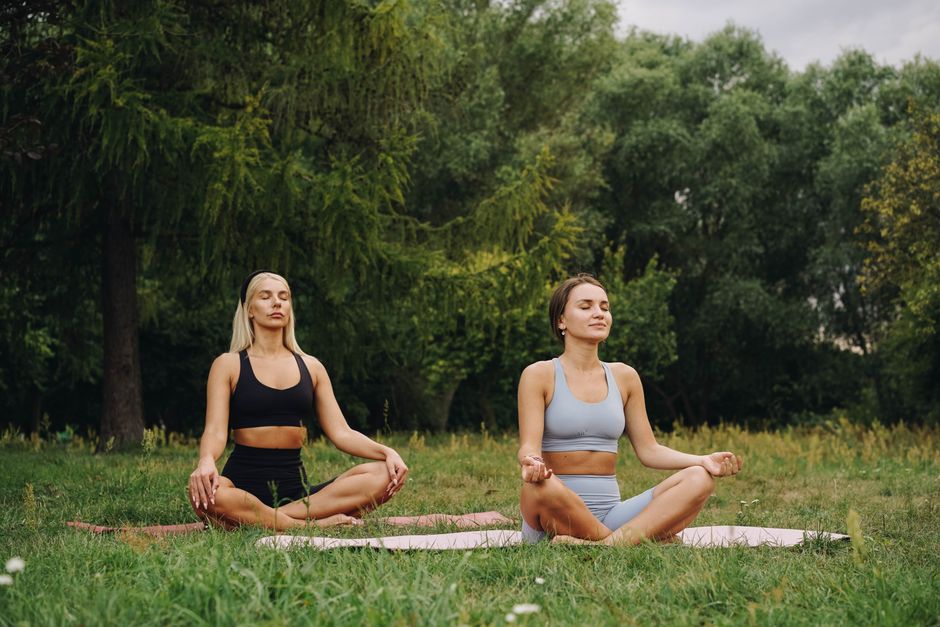
Phoenix now has more than 140 yoga studios operating within city limits, according to a June 2026 count by the Arizona Yoga Alliance, and the number keeps climbing. The question most residents are actually asking isn't whether to try yoga. It's which of the dozen-odd styles on offer will fit their schedule, their body, and frankly, their temperament.
The surge matters because Phoenix's wellness culture has quietly shifted in the past two years. The 115-degree summers that once drove people indoors to screens are now driving them into climate-controlled studios — or into early-morning rooftop sessions in neighborhoods like Roosevelt Row before the heat arrives. Meanwhile, national research published in January 2026 by the American Osteopathic Association found that 91 percent of yoga practitioners reported measurable improvements in stress levels after just eight weeks of consistent practice, regardless of the style they chose. The style, though, determines whether they stick around long enough to reach week eight.
Vinyasa is the default setting for most Phoenix studios. Classes link breath to movement in flowing sequences, and the pace can range from moderate to punishing depending on the instructor. Yoga Six on Camelback Road runs a popular Vinyasa Flow class every weekday at 6 a.m., drawing a mostly 30-to-45 crowd who need their workout done before the commute. Drop-in rates sit around $22 to $28 across Midtown locations.
Bikram — 90 minutes, 26 postures, 105-degree room — is the style that divides people most sharply. Desert Island Hot Yoga near 7th Street and Bethany Home Road maintains one of the city's few dedicated Bikram rooms. Instructors there will tell you the heat is the point: it deepens flexibility and, its advocates insist, accelerates detoxification. Physiologists are more skeptical about the detox claims, but the cardiovascular demand is real. Monthly unlimited memberships at Phoenix hot yoga studios currently average $119, according to ClassPass data from May 2026.
Yin yoga occupies the opposite end of the effort spectrum. Poses are held for three to five minutes, targeting connective tissue rather than muscle. Yoga Matters, a studio on North 16th Street, has built a Wednesday evening Yin class into something of a neighborhood ritual for Arcadia residents who work desk jobs and spend the day in a state of low-grade tension. The stillness is harder than it sounds.
Ashtanga follows a fixed sequence — always the same poses in the same order — and demands consistent attendance to see progress. It rewards discipline more than spontaneity, which suits a certain personality type well. Restorative yoga, by contrast, uses bolsters and blankets to hold the body in passive positions for up to 20 minutes. It borders on therapeutic. The Bhavana Yoga Collective near the Willo Historic District has offered restorative sessions since 2019 and reports that enrollment in those classes rose 34 percent between January and June 2026, a jump instructors there attribute partly to burnout culture and to growing awareness of the parasympathetic nervous system's role in recovery.
The honest answer is that your current stress level is a better guide than your fitness level. If you are running on cortisol and five hours of sleep, starting with a high-intensity Vinyasa or Bikram class is likely to feel like one more obligation rather than relief. A single restorative or Yin session first — even a $15 community class at Sunstone Yoga on East Camelback — can recalibrate your baseline and give you a cleaner read on what intensity you actually want.
If you want the physical challenge and have a reasonably stable sleep schedule, Vinyasa three times a week is a reasonable starting point. Most Phoenix studios offer a two-week unlimited intro package for $30 to $40, which is enough time to try three or four different class formats without committing to a membership.
One practical note: book classes at least 12 hours in advance at any popular Phoenix studio. Spots fill by Tuesday for the following weekend. And if you have an existing injury or a specific health condition, check with a local medical professional before choosing a style — particularly before stepping into a 105-degree room for the first time.

Wellness
Wellness

Wellness

Wellness
About this article
Published by The Daily Phoenix
Spread the word
Daily brief
Free, in your inbox before 7am. Weekdays.
The Daily Network — local news across Australia