Wellness
Gut Health 101: Fermented Foods You Can Find Locally
From kimchi crocks to kombucha on tap, Phoenix's fermented food scene is booming — and your gut bacteria are paying attention.
4 min read
Wellness
From kimchi crocks to kombucha on tap, Phoenix's fermented food scene is booming — and your gut bacteria are paying attention.
4 min read
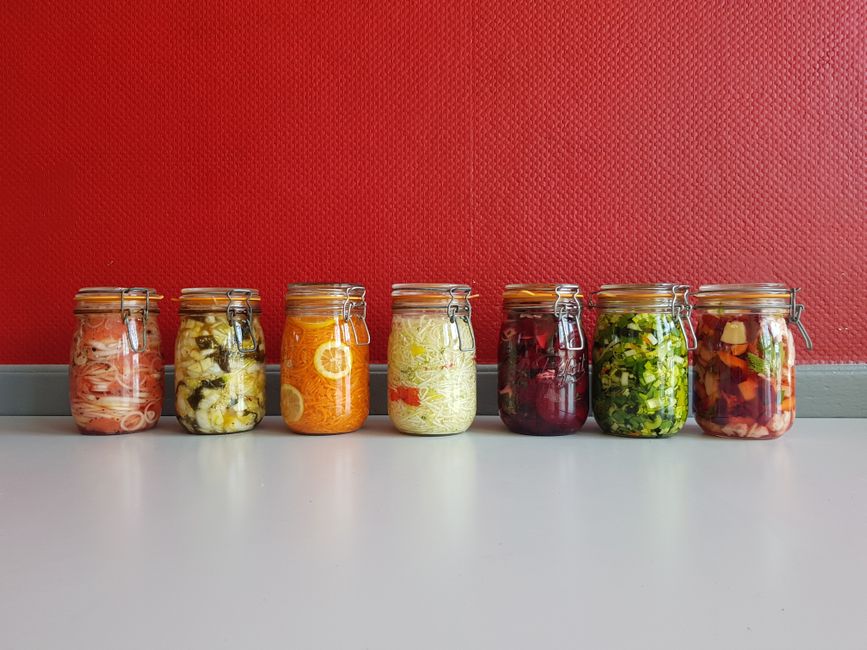
Phoenix grocery shelves and farmers' markets are stocking more fermented foods than at any point in the past decade, with local producers reporting double-digit sales growth since 2024. It's not a trend driven by fad diets. Gastroenterologists and registered dietitians across the Valley are increasingly pointing patients toward fermented foods as a first-line strategy for improving digestive health — before supplements, before elimination diets, before anything else.
The timing matters. Research published in Cell back in 2021 established that a high-fermented-food diet increased microbiome diversity and reduced markers of inflammation in just ten weeks — findings that have taken several years to filter down into everyday eating habits. Now, with hormone health, mental wellness, and gut-brain connection dominating health conversations in 2026, the science has finally caught up with the shelves. Fermentation is no longer niche.
The Roosevelt Row Arts District has quietly become a hub for small-batch fermented products. Peixoto Coffee Roasters on East Washington Street stocks rotating local kombucha kegs, and the Phoenix Public Market at 721 North Central Avenue — open every Saturday morning — reliably features at least four or five vendors selling live-culture products. Desert Roots Kitchen, a plant-forward restaurant in the Arcadia neighbourhood, has kept a house-made fermented hot sauce and rotating kimchi on its menu since late 2024, sourcing its cabbage from farms in the Queen Creek corridor.
For those who want to shop rather than dine, Sprouts Farmers Market — which operates eleven locations across the Phoenix metro — dedicates a dedicated refrigerated bay to probiotic-rich products, including locally made kefir from Desert Flower Dairy and raw sauerkraut produced by a Tempe-based operation called Valley Ferments. A 16-ounce jar of Valley Ferments' plain sauerkraut retails for around $9.50. Their ginger-turmeric carrot kraut runs $11. Neither price point is cheap, but both undercut the national premium brands by roughly 15 percent while keeping money in the local economy.
It's also worth knowing that Whole Foods Market on East Camelback Road stocks a broader range of miso pastes — white, red, and barley — than most Phoenix stores, which matters for home cooks looking to add fermented umami to soups and marinades without committing to a full fermentation project of their own.
The human gut hosts somewhere between 39 and 300 trillion microbial cells, depending on which research team you ask — a number researchers at Stanford's Human Food Project have used to argue that diet is the fastest lever most people have for shifting microbiome composition. Fermented foods introduce live bacteria directly into the digestive tract and, crucially, feed existing beneficial bacteria through the fibre and compounds left over from the fermentation process itself.
Not all fermented products deliver equal benefit. Heat-treated products — think shelf-stable pickles sitting in a warm grocery aisle — have had their live cultures killed off. The label needs to say "live cultures" or "raw" for the product to do anything meaningful for gut flora. Kombucha must contain at least 1 billion colony-forming units per serving to show measurable effects in most clinical trials. Many commercial brands barely clear that bar. Check the label.
For Phoenix residents new to fermented foods, registered dietitians at Banner Health's outpatient nutrition clinics generally recommend starting with a tablespoon of sauerkraut or a 4-ounce serving of plain kefir daily for two to three weeks before adding variety. Jumping straight to high doses of multiple fermented products can cause temporary bloating and discomfort — the gut microbiome adjusts gradually, not overnight.
The Phoenix Public Market runs through November on its current Saturday schedule. Valley Ferments also offers a monthly fermentation workshop at their Tempe production space, typically priced at $45 per person, which covers both the science and hands-on jar preparation. It sells out. Book early. And as always, if you have a diagnosed gastrointestinal condition, talk to a gastroenterologist or accredited practising dietitian before making significant dietary changes — local gut health is a genuine public health asset worth protecting carefully.

Wellness

Wellness

Wellness

Wellness
About this article
Published by The Daily Phoenix
Spread the word
Daily brief
Free, in your inbox before 7am. Weekdays.
The Daily Network — local news across Australia