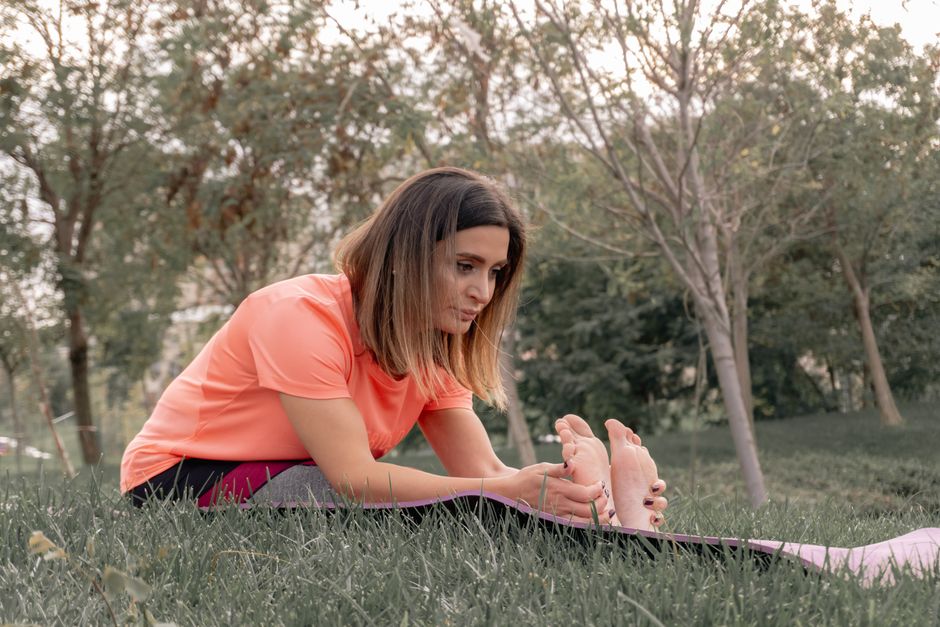
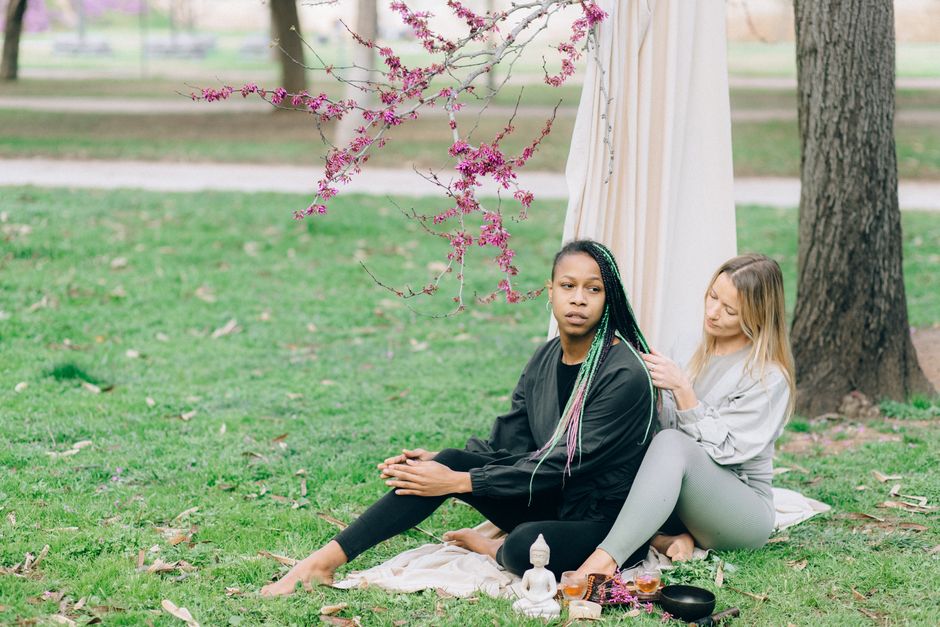
Enrollment in Phoenix-area meditation classes climbed roughly 34 percent between January and June 2026, according to booking data compiled by local wellness platform Mindbody — a spike instructors and studio owners attribute to a confluence of factors: post-pandemic burnout that never fully resolved, a brutal summer heat index keeping residents indoors longer, and growing mainstream acceptance of contemplative practice. The city's active wellness culture, long anchored in outdoor fitness, has pivoted inward.
The timing matters. Nationally, the conversation around hormones, sleep disruption and stress physiology has intensified in 2026, with researchers and clinicians pointing to chronic cortisol elevation as an underlying factor in everything from cardiovascular risk to cognitive decline. Mindfulness-based stress reduction — MBSR — remains the most clinically studied behavioral intervention for cortisol management, and Phoenix providers are leaning into that evidence base to attract skeptics who once dismissed meditation as soft self-help.
Where to Go in Phoenix Right Now
The Shambhala Meditation Center of Phoenix, located near 16th Street and Camelback Road, runs a free public sitting every Thursday evening at 6:30 p.m. No experience required, no membership fee, and no obligation to commit to the broader Shambhala curriculum. For beginners, it is one of the lowest-friction entry points in the city. The center also offers an eight-week MBSR course starting August 4, priced at $395, with a sliding-scale option available on request.
Over in the Roosevelt Row Arts District, Yoga Phoenix on Grand Avenue has expanded its programming to include a dedicated 45-minute lunchtime meditation block on Tuesdays and Thursdays, aimed squarely at downtown office workers. Drop-in rate is $18; a ten-class pack runs $140. The studio's midday crowd has roughly doubled since the format launched in March, which the studio has credited in part to employers in the nearby One Camelback office tower encouraging staff wellness breaks.
The Desert Botanical Garden in Papago Park runs its Mindful Mornings series through October, meeting at 7 a.m. on the last Saturday of each month before the heat becomes prohibitive. Admission is included with garden membership or the standard $30 day pass. The outdoor setting — surrounded by Sonoran Desert flora at dawn — is a legitimate draw, not just a backdrop.
For group practice with a secular, science-forward bent, the Phoenix Secular Buddhist Association gathers monthly at the Burton Barr Central Library on Central Avenue. The group explicitly sidesteps religious framing and focuses on applied mindfulness techniques drawn from both Buddhist tradition and cognitive behavioral therapy research.
Apps That Actually Hold Up Under Phoenix Conditions
Not everyone can make a scheduled class work around Phoenix's demanding commutes and irregular work hours. Three apps stand out for local users this year. Insight Timer remains the dominant free option, with more than 100,000 guided meditations and a strong local community feature that lets you see other Phoenix-area users sitting simultaneously — a surprisingly effective accountability nudge. The app is free; a Pro subscription runs $60 annually.
Calm added a heat-stress relaxation series in June 2026 specifically designed for climates where summer temperatures regularly exceed 110°F, featuring breathing exercises calibrated for dry-air environments. A one-year subscription costs $69.99. Waking Up, the app built by philosopher Sam Harris, has gained traction among Phoenix's large tech and finance professional community for its unflinching, no-mysticism approach; it costs $99.99 per year but offers a free 30-day trial and will grant free access to anyone who cannot afford it.
Anyone new to the practice should approach it the same way they would a new exercise routine: consistency over intensity. Ten minutes daily outperforms a 90-minute weekend session in almost every outcome study. Start with one format — a local Thursday sit, a lunchtime drop-in, or a guided app session — and give it four weeks before evaluating. As always, those dealing with significant anxiety, trauma history or sleep disorders should loop in a physician or licensed mental health provider, not treat an app or studio class as a substitute for clinical care. Phoenix has no shortage of either resource.