Wellness
Five Evidence-Based Techniques to Reduce Daily Stress
Phoenix's wellness community is doubling down on science-backed stress relief — and the research says it's working.
4 min read
Updated 6 h ago
Wellness
Phoenix's wellness community is doubling down on science-backed stress relief — and the research says it's working.
4 min read
Updated 6 h ago
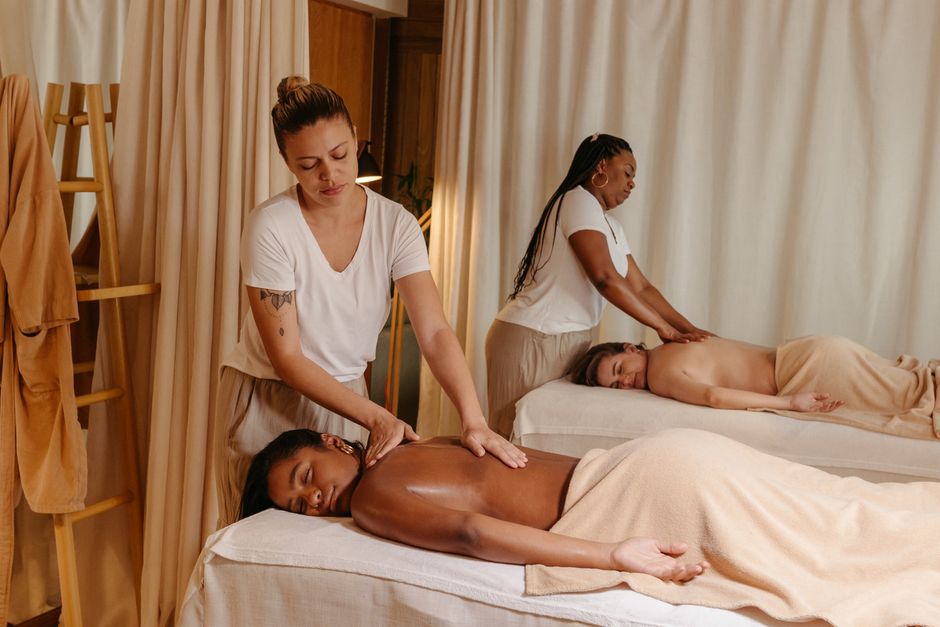
Chronic stress is no longer just a personal problem. The American Psychological Association's 2025 Stress in America survey found that 77 percent of U.S. adults report physical symptoms caused by stress, with financial pressure, housing costs, and workplace uncertainty driving the numbers up sharply over the past 18 months. In a city like Phoenix — where summer heat regularly tops 110°F and the cost of a one-bedroom apartment in Midtown has climbed past $1,450 a month — the daily pressure cooker is real and measurable.
Mental health professionals and fitness instructors across the Valley are seeing it in their schedules. Classes at yoga studios near the Roosevelt Row Arts District are booking out days in advance. Desert Botanical Garden logged a 34 percent increase in weekday morning visits between January and May 2026, a pattern staff attribute partly to people seeking deliberate outdoor calm before their workdays begin. The city's active wellness culture is not just a lifestyle brand — for a growing number of residents, it is a coping mechanism with a clinical basis.
Here are five techniques the evidence actually supports.
Diaphragmatic breathing. A 2023 study published in Frontiers in Psychology confirmed that slow, controlled belly breathing lowers cortisol levels within four minutes. The technique is free, requires no equipment, and works anywhere — including the parking lot at Biltmore Fashion Park or the light rail platform at 19th Avenue and Camelback. Inhale for four seconds, hold for two, exhale for six. Three rounds is enough to blunt an acute stress spike.
Progressive muscle relaxation. Systematically tensing and releasing muscle groups from feet to forehead interrupts the physical stress loop. The Phoenix VA Health Care System on Indian School Road has incorporated PMR into group therapy sessions since 2022, and the technique appears in programs run by NAMI Arizona, which operates a resource center off North 7th Street. A single 15-minute session has been shown to reduce self-reported anxiety scores by up to 20 percent in clinical settings.
Structured physical movement — but short. You do not need an hour at Orangetheory to get the cortisol benefit. Research from the University of British Columbia established that 20 minutes of moderate aerobic exercise produces a meaningful drop in stress hormones for up to three hours afterward. A brisk walk along the Grand Canal Trail between 40th Street and Arcadia qualifies. So does a 20-minute bike ride through the Papago Park loop. The threshold is low; the barrier is mostly psychological.
Mindfulness-based stress reduction (MBSR). Jon Kabat-Zinn's eight-week MBSR protocol remains the most rigorously studied non-pharmacological stress intervention in clinical literature, with meta-analyses showing consistent reductions in anxiety and depression symptoms. Phoenix-area practitioners offer the full program through the Integrated Medicine program at Banner Health's Camelback Road campus, with an eight-week group cohort priced at approximately $395 as of June 2026. For those who cannot commit to a structured program, even ten minutes of daily seated attention practice produces measurable neurological changes after eight weeks, per a 2021 Harvard Medical School review.
Deliberate social connection. Loneliness amplifies the stress response by keeping the hypothalamic-pituitary-adrenal axis in a low-grade state of alert. The antidote is not passive scrolling — it is face-to-face contact or genuine conversation. The Heard Museum on North Central Avenue runs free First Friday community nights; Desert Mission Community Services in the Sunnyslope neighborhood offers drop-in social programming specifically designed for isolation. Scheduling one real-world social commitment per week is now considered a behavioral health recommendation, not just friendly advice.
None of these techniques require a diagnosis, a prescription, or a gym membership. They require only consistency and a willingness to treat stress reduction as a skill rather than a personality trait. Anyone dealing with persistent anxiety, sleep disruption, or depression should connect with a Phoenix-area licensed mental health professional — NAMI Arizona's helpline at 602-244-8166 is a good starting point — rather than relying on self-management alone. But for daily stress, the evidence is clear and the tools are already available.
This article was compiled by AI and screened before publishing. See our editorial standards.
Wellness

Wellness

Wellness

Wellness
About this article
Published by The Daily Phoenix
Spread the word
Daily brief
Free, in your inbox before 7am. Weekdays.
The Daily Network — local news across Australia