wellness
Social Connection as Medicine: The Loneliness Epidemic Hitting Phoenix Harder Than You Think
Researchers now rank chronic loneliness as dangerous to your health as smoking 15 cigarettes a day, and Phoenix's sprawling geography is making the problem worse.
Listen in English · 5 min
How we reported this
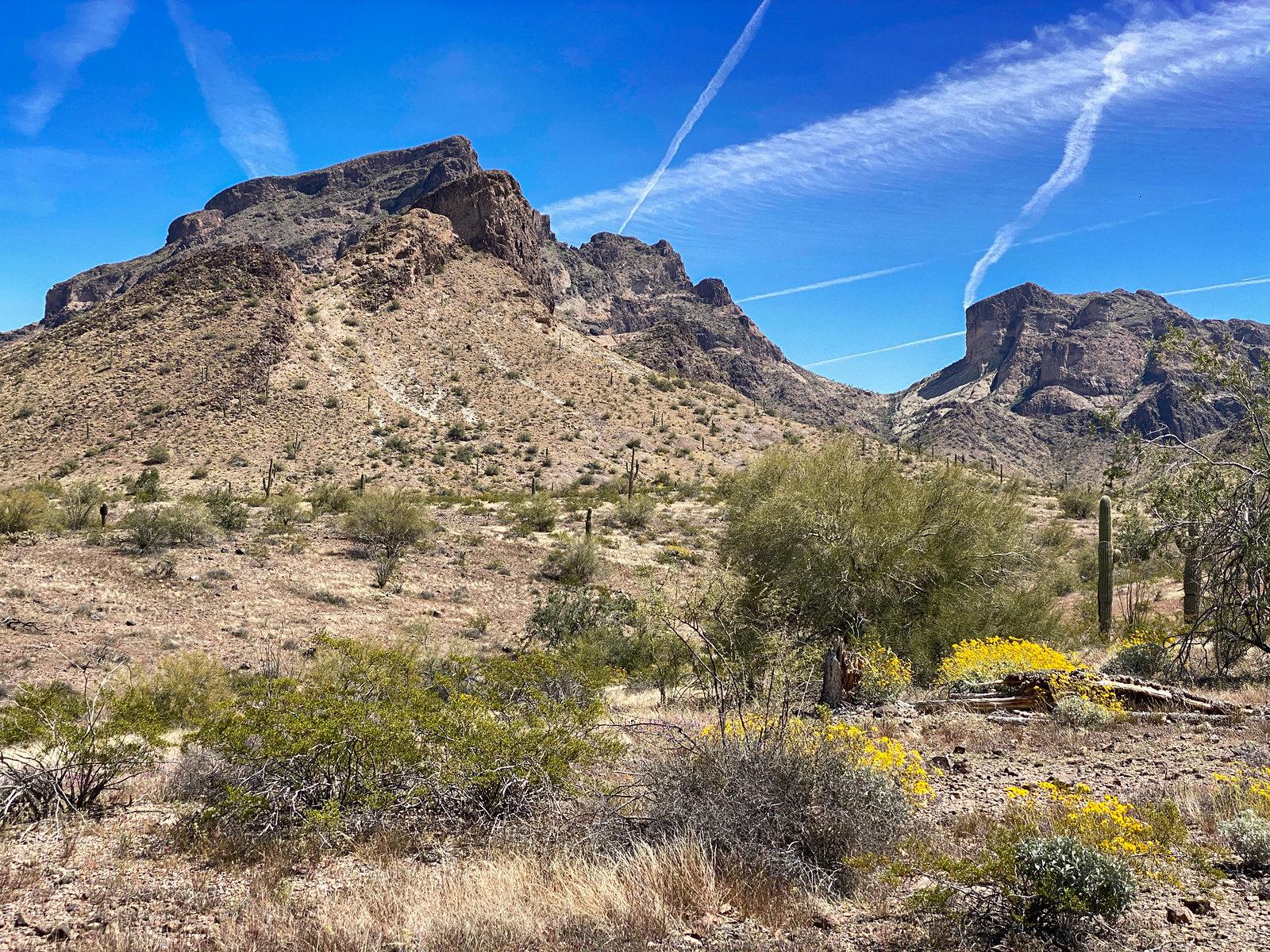
Phoenix has more than 1.6 million residents. It also has one of the highest rates of social isolation among major American cities, according to a 2025 index published by the Cigna Group, which ranked the Phoenix-Mesa-Chandler metro area among the top ten loneliest large metros in the United States. The city's car-dependent layout, rapid population turnover, and summer heat, which drives people indoors for four to five months a year, have combined to create what public health researchers are now calling a structural loneliness problem, not merely a personal one.
The timing matters. Mental health professionals across the country have spent the past two years watching post-pandemic social atrophy harden into something more permanent. People stopped rebuilding the casual, low-stakes connections, the gym buddy, the coffee shop regular, the block party neighbor, that quietly anchor psychological wellbeing. In Phoenix, where roughly 60 percent of residents were born somewhere else and where downtown density remains thin compared to peer cities like Denver or Austin, those anchors were often fragile to begin with. The result shows up in emergency rooms, therapists' waiting lists, and the rising demand for peer support programs citywide.
Where Phoenix Is Pushing Back
Some organizations are treating connection itself as a clinical intervention. The Virginia G. Piper Center for Creative Writing at Arizona State University's Tempe campus runs a community writing and storytelling program that explicitly frames participation in social terms, the goal isn't just craft, it's the weekly ritual of showing up and being heard. Enrollment in drop-in sessions jumped 34 percent between January and June 2026, according to figures the center shared publicly in its spring report.
Closer to central Phoenix, the Roosevelt Row Arts District has quietly become a hub for what therapists sometimes call "third places", not home, not work, but somewhere that belongs to you socially. The Unexpected Gallery on Grand Avenue hosts rotating artist talks every second Thursday. Palabras Bilingual Bookstore on Thomas Road runs a Sunday reading circle that draws 20 to 40 people most weeks, no purchase required. Neither venue pitches itself as a mental health resource, but the function is identical: structured, low-pressure reasons to leave the house and talk to someone you didn't already know.
The science behind this approach is not soft. A landmark meta-analysis published in PLOS Medicine, drawing on data from 148 studies covering more than 300,000 participants, found that adequate social relationships increased survival odds by 50 percent. Julianne Holt-Lunstad, the Brigham Young University psychologist whose work underpins most of this research, has testified before the U.S. Senate that loneliness elevates cortisol, disrupts sleep, accelerates cognitive decline, and raises cardiovascular risk in ways that are measurable and dose-dependent. The Surgeon General's 2023 advisory on loneliness used her data as its backbone.
What You Can Actually Do This Month
Practical entry points matter more than grand plans. The Phoenix Parks and Recreation Department runs a free "Walk With a Doc" program at Steele Indian School Park, 300 E. Indian School Road, every Saturday morning at 7 a.m., an intentionally social format where a volunteer physician walks alongside participants, available for questions, while the group covers two miles together. No registration, no fee. The program drew more than 120 participants on its June 28 session, its largest turnout since launching in March 2024.
For people who find unstructured socializing anxiety-inducing, structured activity lowers the bar significantly. The Kenilworth Recreation Center in the Willo Historic District offers pickleball drop-in sessions three evenings a week at $3 per person, a price point that community health workers specifically cite as meaningful for residents managing financial stress alongside social isolation. Both conditions feed each other, and both are running high in 2026.
The broader principle from clinicians is simple: frequency beats intensity. Fifteen minutes of genuine conversation with a stranger or acquaintance, repeated regularly, produces measurable reductions in loneliness scores within six to eight weeks. Phoenix has the venues. The harder part is deciding, on a 108-degree July afternoon, that the drive is worth it. Most psychologists who study the subject say it is, and that waiting for the weather to break is its own form of avoidance. Consult a local mental health professional if loneliness is significantly affecting your daily functioning.