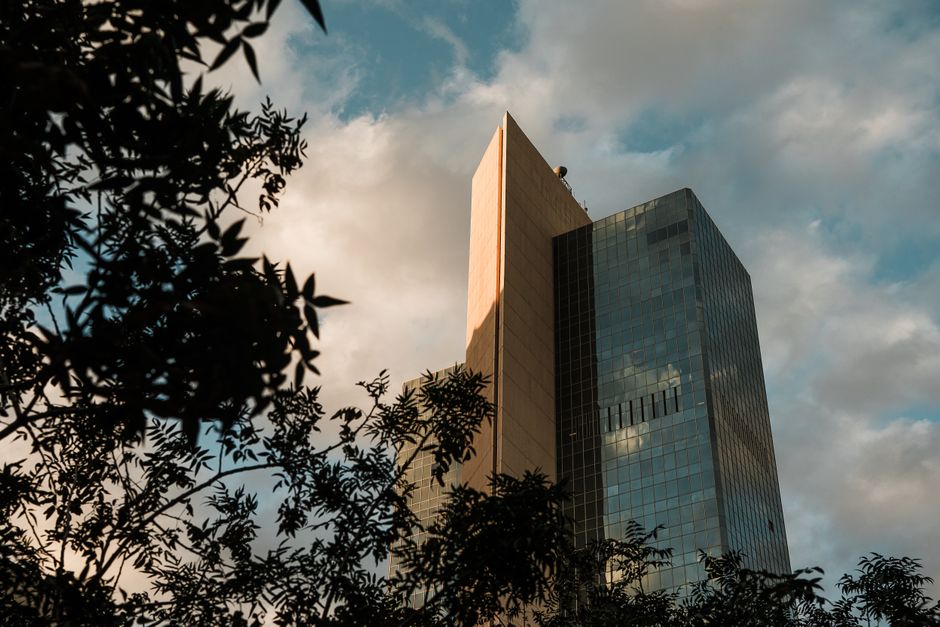
Tempers flared Wednesday night at a packed meeting in Encanto Park’s clubhouse, as dozens of Phoenix residents voiced anger over a proposed 28-story apartment tower at the northwest corner of Central Avenue and McDowell Road. The project, which would bring 370 new rental units to the midtown corridor, has become a lightning rod for community debates over the pace and scale of growth sweeping through the Valley.
The fight matters now more than ever. With Phoenix's population climbing toward the 1.8 million mark and median home prices jumping 7.4% year-over-year to $468,000 in June, developers argue that denser, taller buildings are the only way to combat both housing shortages and surging rents. But for residents in historic districts like Willo and along the Roosevelt Row Arts District, the fear is that the city’s character will be steamrolled by glassy towers and chain retailers.
Neighborhoods Mobilize Against Density
The Central-McDowell tower isn’t the only flashpoint. In Arcadia Heights, homeowner groups have filed objections with the city planning office over a planned cluster of mid-rise condos near 44th Street and Camelback Road. The Arcadia Neighborhood Coalition, formed last September, says the project threatens to overwhelm streets already congested during rush hour and will put pressure on schools like Hopi Elementary.
Meanwhile, the Roosevelt Street Alliance—a local nonprofit—recently launched a petition opposing rezoning efforts that would allow up to 14 stories on parcels south of Roosevelt Street. Their campaign, which is plastered on yard signs and drawing social media support, argues that “piecemeal upzoning” is eroding the strip’s walkable, artist-driven identity. The group claims that more than 1,100 residents have signed on since Memorial Day.
Developers and Planners Push Back
Real estate developers, including Valley Partners Investments, counter that the city is under mounting pressure to accommodate an influx of newcomers from pricier metros like Los Angeles and Seattle. According to the Maricopa Association of Governments, metro Phoenix added nearly 83,000 people between July 2025 and June 2026. The city’s planning director, Ramon Gutierrez, told The Daily Phoenix that Phoenix must "add an estimated 14,000 new housing units per year just to keep up." City planning data confirms that 54 major rezoning requests have been filed since January, the highest pace since before the pandemic.
Supporters of new development point to the nearly 21% increase in average monthly rent over the past three years. As of June, average rent in central Phoenix was $1,860, up from $1,535 three summers prior. "Without infill and higher densities—especially near light rail corridors—prices could spike even higher," Gutierrez said in a public comment. Still, skeptics question whether luxury towers will ease affordability or simply attract more investors.
The next big test arrives July 16, when the City Council will vote on the controversial Central-McDowell apartment plan. Residents are encouraged to email or attend in person. The Planning and Zoning Commission meets at City Hall, 200 W. Washington St., on July 9 for pre-hearing comments. For those eager to track or weigh in on local projects, Phoenix’s online permit portal offers up-to-date plans and public feedback forms. As debate rages on, what gets built this year will set the tone for Phoenix’s future—and how much voice neighbors will have in shaping it.