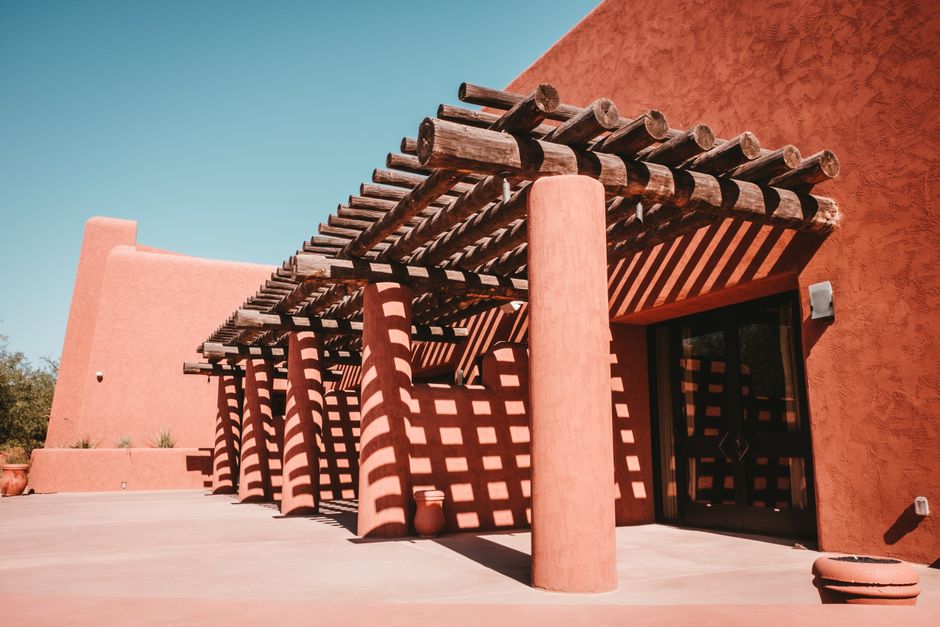
Rents in Phoenix have surged 22% since 2021, and a new breed of rental housing is cropping up from Avondale to North Scottsdale: build-to-rent (BTR) communities. These purpose-built neighborhoods where every home is for lease, not sale, now account for more than one in five single-family rentals started citywide last year, according to data from the Arizona Multihousing Association. At Elux Tempe, just south of Rio Salado Parkway, tenants snapped up leases on freestanding homes with attached garages, private patios, and communal resort-style pools—features that traditionally only buyers could expect to secure.
Why Build-to-Rent, and Why Now?
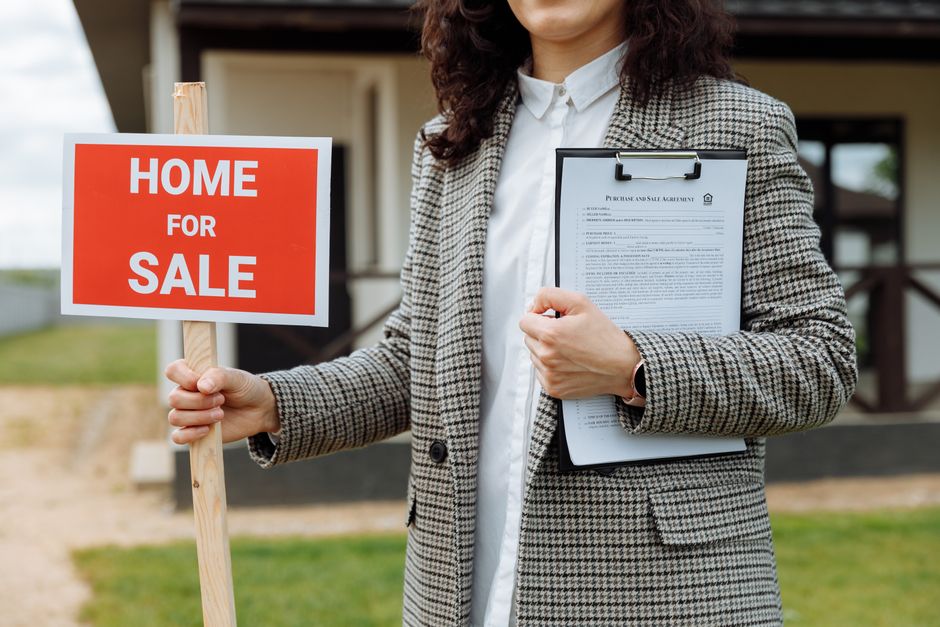
Brutal summer temperatures are driving more people indoors, but a deeper stress is churning: Phoenix’s home prices have jumped another 6% in the past 12 months, pushing the median sale above $465,000 according to ARMLS. For many, the mortgage payments and steep down payments required have put homeownership out of reach, even as rent keeps climbing. That’s where BTR steps in, positioning itself between the sky-high purchase market and the increasingly competitive apartment sector. Cresset Partners, one of several firms behind a wave of BTR projects along Bell Road, told investors they’re banking on “flexibility over permanence, and amenities over ownership.”
Local developments like Christopher Todd Communities at Stadium (right off Camelback and 99th Avenue, neighboring State Farm Stadium), and Carbon38 at Downtown Phoenix, have advertised single-family living—pet yards, dedicated mailboxes, no shared walls—without the headaches of HOA fees, surprise repairs, or lawn upkeep. Kimley-Horn, the civil engineering consultancy, has been advising on nearly a dozen BTR sites in Maricopa County alone since last fall.
Cost Check: How Does It Add Up?
On average, tenants in Phoenix BTR communities shell out $2,080 per month for a new two-bedroom, according to RENTCafé’s 2026 survey, edging about $500 higher than median rents in local multifamily complexes. However, renters gain private garages, gated security, central air, and community-maintained landscaping. While the monthly rent compares favorably with what it would cost to buy the exact same new home (a mortgage on a similar property would now run close to $2,800 not counting insurance and taxes), tenants don’t build equity—nor do they face the risk of unexpected repair bills or steep HOA assessments. In Surprise’s Avilla Meadows, a new 200-unit build-to-rent project off Cactus Road, 96% of homes were leased up within three months of launch, according to owner NexMetro Communities.
Still, not everyone is convinced. Some renters find that, after leasing for several years, their path to ownership hasn’t gotten any easier—as rents inflate with each renewal.
What’s Next—and What to Watch
Developers like Knightvest Capital and Christopher Todd Imagine are planning another 800 BTR units over the next year, with concentrations along the Loop 202 corridor and in South Mountain Village. Prospective tenants should weigh build-to-rent’s upmarket amenities and stable leases against not accumulating equity or long-term rent security. Experts advise asking about renewal caps, utility costs, and whether on-site amenities are included in base rent, or cost extra. For now, the rising tide of BTR offers a middle road—especially as Phoenix’s weather and housing market show little sign of cooling down this summer. But for families hoping to one day own, solving the affordability puzzle still takes some hard math—and tradeoffs that go beyond a community pool.