Property
How Much Rent Is Too Much? The 30% Rule in Practice in Phoenix
As rents surge across metro Phoenix, many residents struggle to stay within the classic affordability guideline. Can the 30% benchmark still hold up?
3 min read
Property
As rents surge across metro Phoenix, many residents struggle to stay within the classic affordability guideline. Can the 30% benchmark still hold up?
3 min read
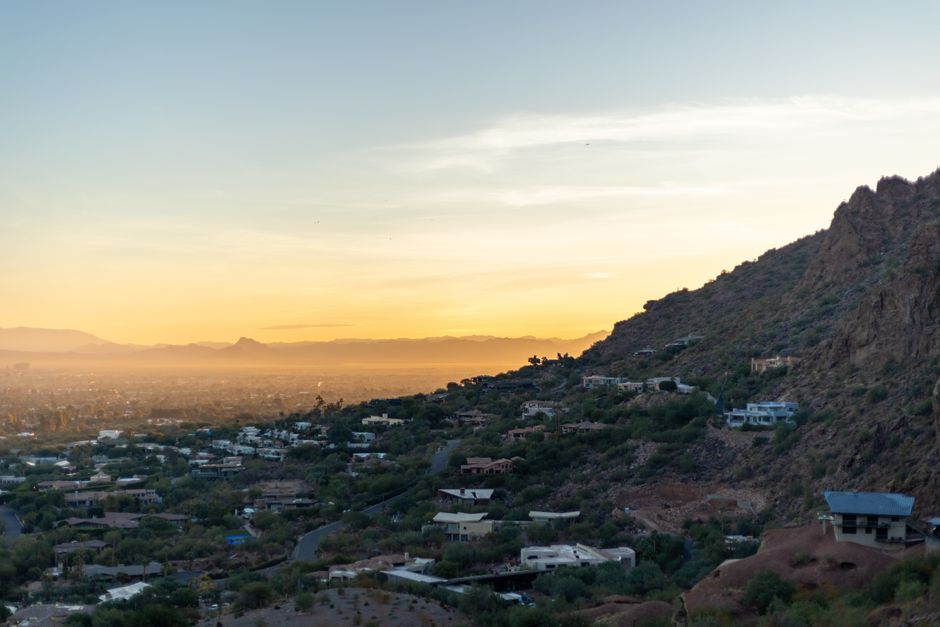
Up and down Roosevelt Row and through the suburban cul-de-sacs of Gilbert, a familiar question echoes: how much rent is too much? For many in metro Phoenix this summer, the answer seems to be “whatever gets you a lease.” With average rents now hovering near $1,860 per month for a two-bedroom apartment citywide, the classic 30% household income rule is getting stress-tested as never before.
The 30% rule—advising tenants not to pay more than a third of their gross income on housing—has been a core guideline among financial counselors for decades. But as lease rates spike and paychecks fail to keep up, Phoenix families are increasingly forced to choose between flexibility and financial stress. Data released in June by the Arizona Housing Coalition shows nearly 48% of Maricopa County renters now spend more than 30% of income on housing, a jump from 43% just three years ago. With domestic migration funneling more new arrivals into the Valley and persistent shortages squeezing listings in Midtown and Arcadia, the question of affordability is anything but theoretical.
"Every lease term feels like a negotiation with reality right now," said one local property manager, summarizing a sentiment echoed along Central Avenue and in the southeast Valley alike. Organisations like Wildfire Arizona and the City of Phoenix Housing Department field daily calls from renters wondering if the next rent increase will push them over the limit. At Park Central and in the more affordable blocks near 19th Avenue, tenants report giving up savings goals, groceries, or even air conditioning to scrape by each month.
The outlook is sobering. According to Zillow’s June 2026 market summary, the median rent in downtown Phoenix hit $2,040—a 6% increase year over year, while median household income in the city increased less than 2%, reaching $71,600. That puts a typical renter at 34% of their income for a basic two-bedroom downtown, busting past the traditional safety line. The squeeze is even tighter in luxury complexes along Tempe Town Lake or in high-demand pockets of Biltmore, where rents for some one-bedrooms now exceed $2,250 a month.
The result: Phoenix now has over 148,000 “rent-cost burdened” households, according to the National Low Income Housing Coalition's latest county report. For families near Steele Indian School Park or students living off campus at Arizona State’s Downtown campus, rent fatigue is palpable. Between May and June, more than 1,300 renter households sought assistance via the city’s Emergency Rental Assistance Program (ERAP), which added an extra $2 million in funding this summer to meet demand.
So how much rent is too much in Phoenix? Financial planners say that while the 30% guideline remains a prudent celestial north, the reality of the Valley’s 2026 rental market means many residents are being forced well beyond it. Advocates recommend that renters run a thorough monthly budget check, factor rising utilities—APS announced a 5% increase effective July—and, if possible, seek affordable housing programs or shared accommodation to avoid being “house broke.”
With more supply hitting the market in late 2026—roughly 7,400 new units are due for completion between Camelback East and Chandler—there is cautious hope that the worst rent inflation might plateau. For now, tenants from Encanto to Desert Ridge are advised to stay vigilant, and never sign a lease that leaves monthly basics or emergency savings an afterthought.
Property
Property

Property
Property
About this article
Published by The Daily Phoenix
Spread the word
Daily brief
Free, in your inbox before 7am. Weekdays.
The Daily Network — local news across Australia